Loading blogs...
Our Blog
Discover insights, stories, and wisdom from our community of African parents
Child Development
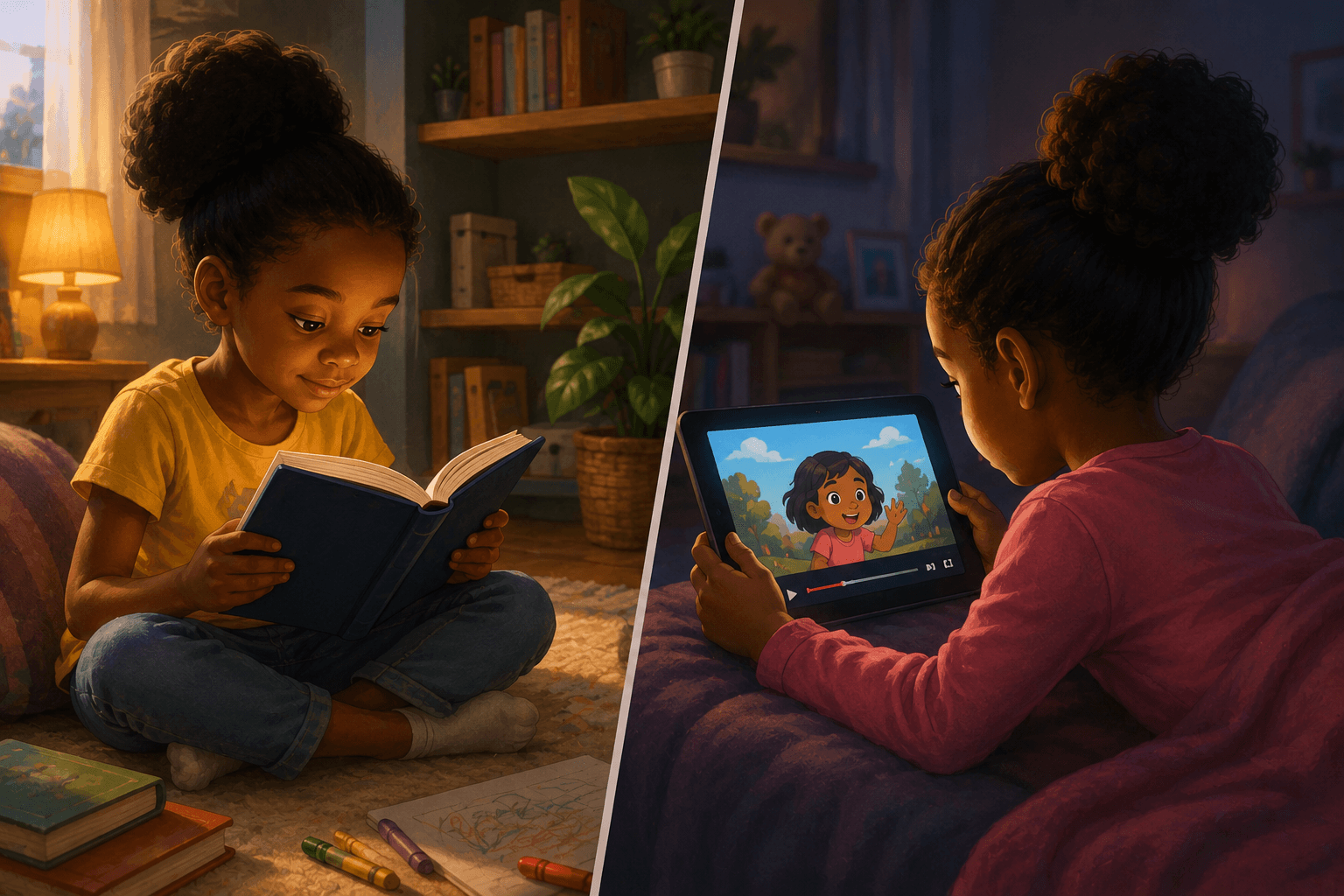
Does reading still matter for kids when everything is on video?
Amara is seven. She can unlock a tablet, find her favorite cartoon, and watch it, all before her mother has finished cooking dinner. She has never once, on her own, picked up a book.
Jun 8, 2026
Read More
Digital Safety
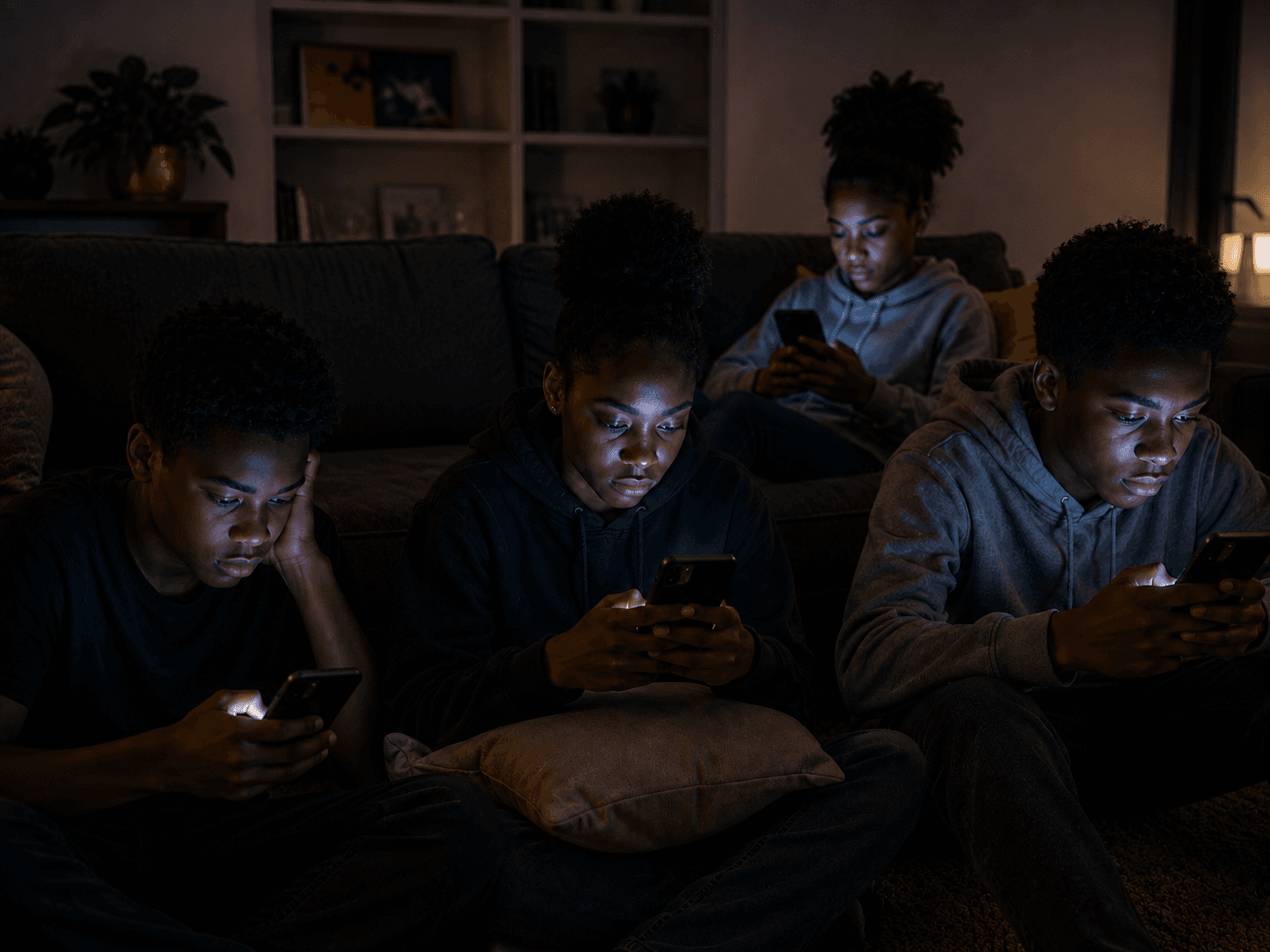
Is Social Media Quietly Damaging Our Children?
School was about to reopen when Luca sat his parents down. “There’s something important I need to tell you.” For any parent, those words from a quiet teenage son are enough to make your heart race. His mother’s mind went straight to worst-case scenarios ‘Did he get someone’s daughter pregnant? Did he commit a crime?’.
May 28, 2026
Read More
Special Needs Children
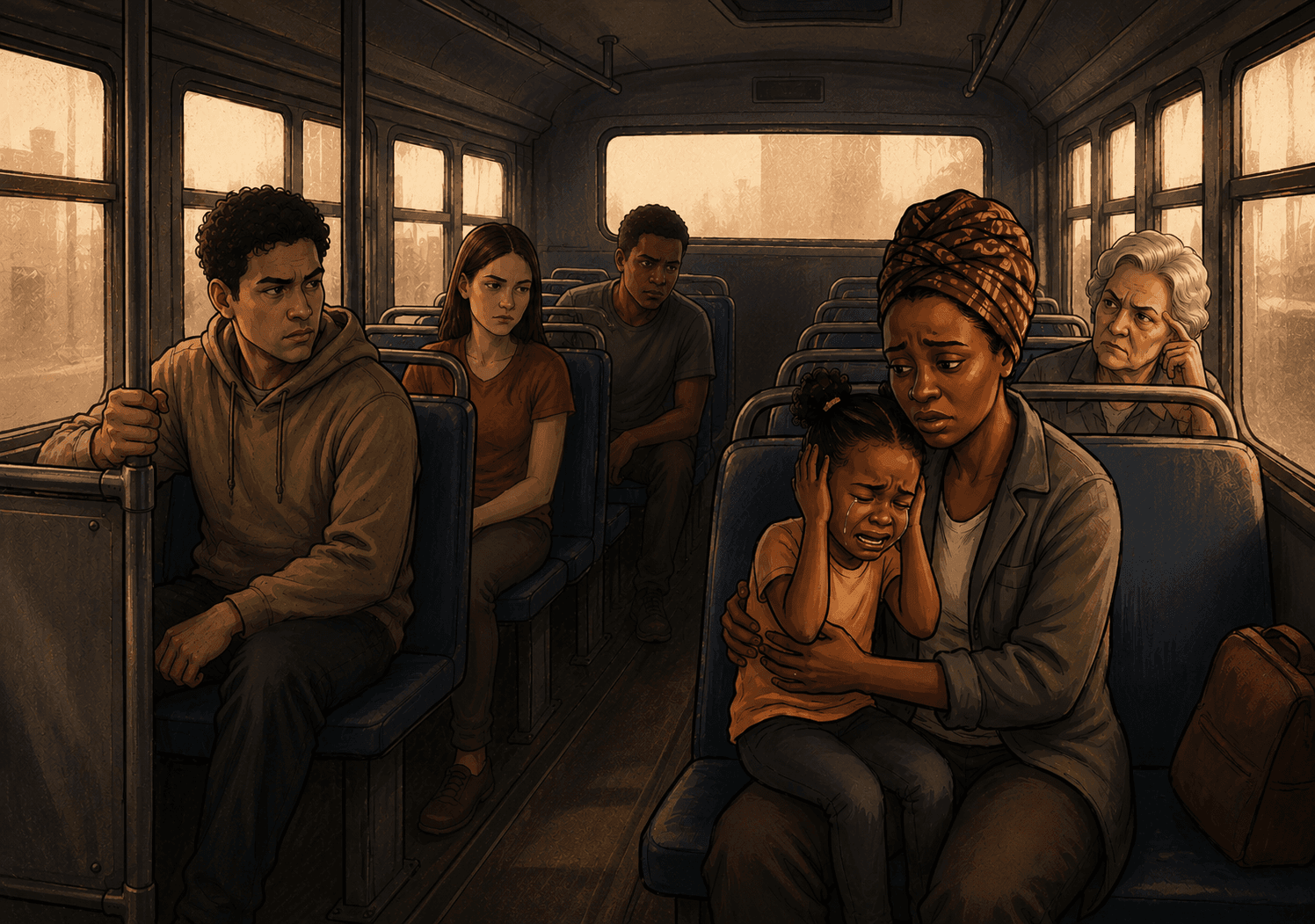
My child Doesn't Talk. But She Communicates
When we were coming from a medical appointment, my daughter Nysha and I were rushing to catch the public bus home. Nysha is a non-speaking autistic five-year-old. We were exhausted from a long day of early morning travel and hospital appointments, and we were ready to reach home. At the public car park, we found a bus departing in fifteen minutes with two seats left near the driver. We grabbed one and sat down. The environment was noisy, people were going in and out, the sun was burning hot, and the journey ahead was about two hours. And then the mood shifted. Nysha began to melt down …
May 12, 2026
Read More
Parenting
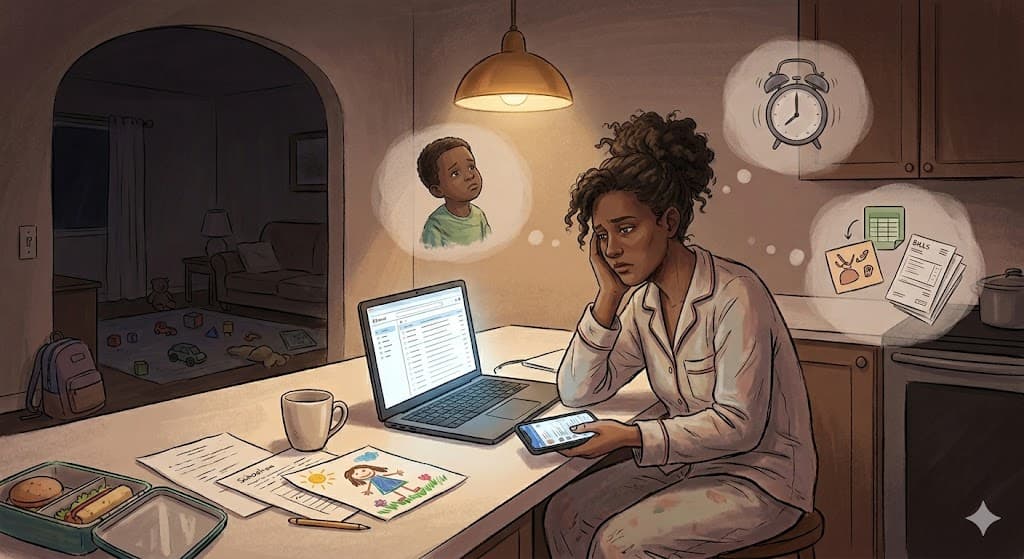
Why is raising kids today so exhausting?
It's past 10 PM. The kids are finally asleep. You're sitting somewhere in the house, maybe at the kitchen table, maybe on the edge of the bed, and the silence that you spent all day waiting for has arrived. But instead of resting, you're catching up on work emails, or scrolling through your phone without really seeing anything, or just staring, the way you do when your brain is too tired to think but too wired to stop.
Apr 27, 2026
Read More

Parenting
The Hidden Wound of a Strict Religious Upbringing
Many people who grew up in strictly religious families carry wounds they have never felt free to name. To speak about them feels like a betrayal of their parents, of their community, of God himself. So they stay silent. They sit in the front row, they raise their hands in worship, they raise their own children in the same tradition, and somewhere deep inside, a voice quietly asks: is it just me?
Apr 20, 2026
Read More
Education
My child is not smart
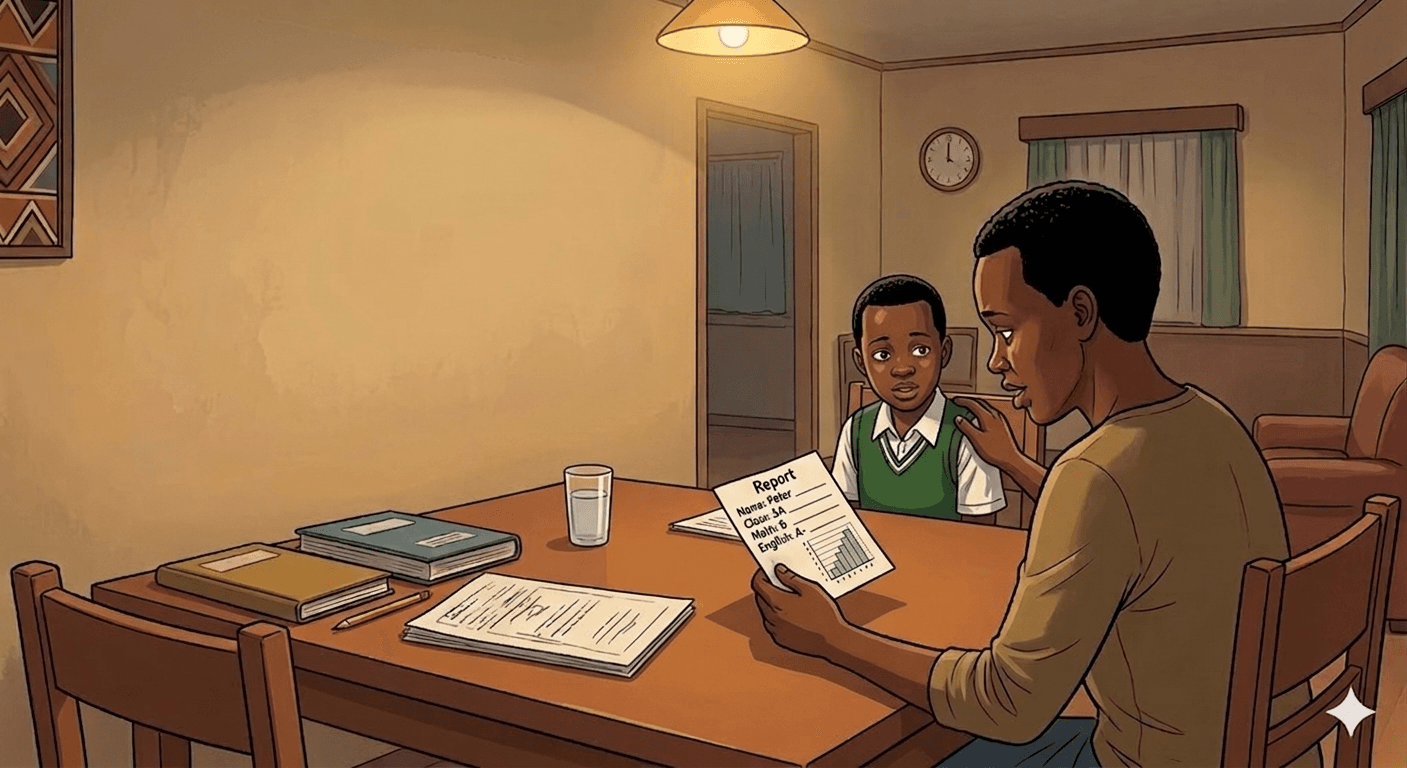
There’s no bigger success metric for most African children than school grades! Say what you want about African parents, but they’re really intent on pushing their children for academic success. When I was a child, the grades didn’t even matter as much as the rank in your class. The school report issuing day at the end of every trimester was a big day. Before you even got home, every adult on the way would ask you “Wabaye uwa kangahe?” (How did you rank in your class?). The glorious answer of course was “uwa mbere” (the first of the class) but any position in the top 5 was acceptable. When you arrived home, you handed your school report to your parents; they looked straight at the bottom to the rank box, before diving into the detailed grades with surgical precision, like a financier looking at the bottom line of a financial statement before diving deeper. It was a big deal! I know children who were beaten by their parents for being the second of their class with over 80% grades!
Mar 31, 2026
Read More